




 PL
PL EN
EN UK
UK DE
DE
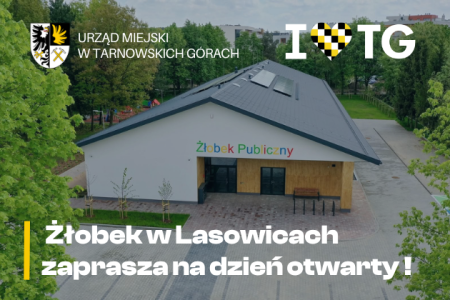
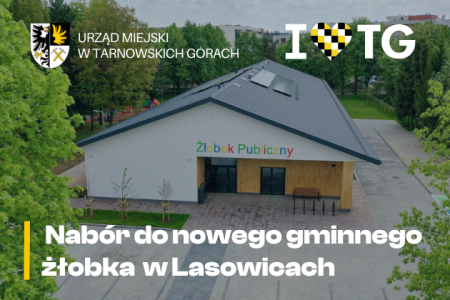
The nursery in Lasowice invites you to its open day!
24 July
02.07.2026 r.
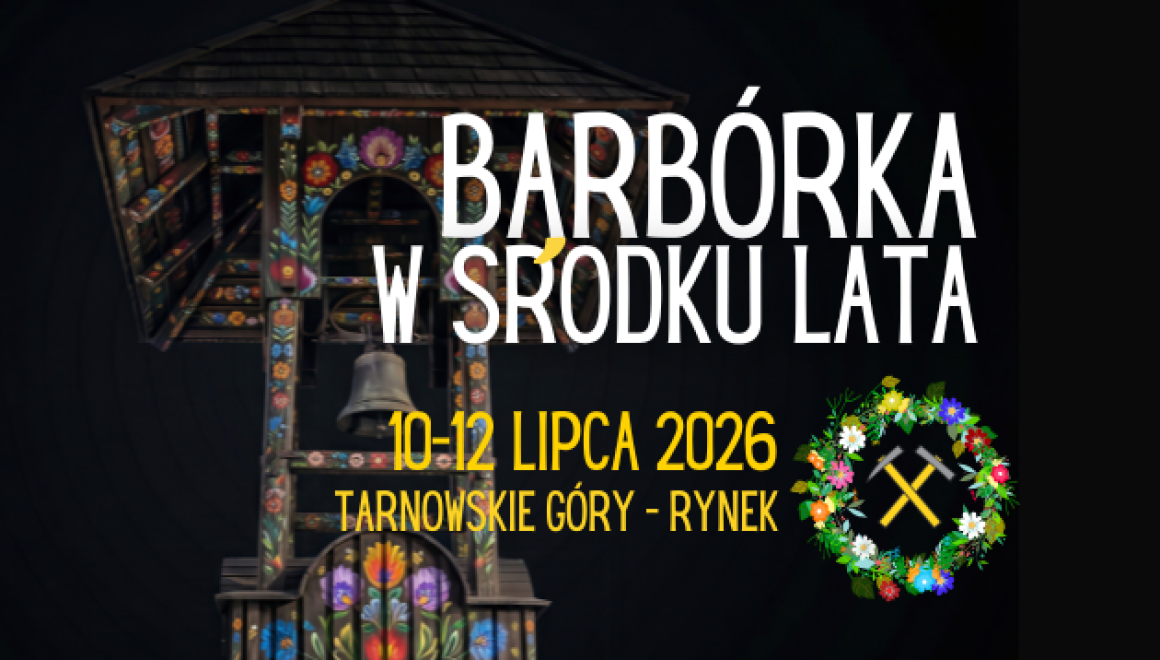
Barbórka in the middle of summer 2026 is just around the corner! Have you been looking forward to it? So have we! Especially as this year’s event is set to be truly exceptional! To mark the 500th anniversary of Tarnowskie Góry, the festivities will last three, or even four days!


 Free event

Barbórka in the middle of summer? Why not?! The festival taking place in Tarnowskie Góry in mid-July, whilst perhaps surprising, is nothing new, but rather a nod to an old tradition: the Bergfest celebrations held here at this time since the late 18th century were the region’s first miners’ festivals. What does this have to do with Saint Barbara? Simply this: nearly three hundred years ago, it was here in the Silver City that one of the first (if not the very first) brotherhoods named after her was founded, and its charter was approved by the Pope himself. The news of the papal bull was also announced in the summer.
Tarnogórska Barbórka
The chronicles of Tarnowskie Góry report that the Jesuits were responsible for founding the brotherhood; they had arrived in what was then the fastest-growing mining town in Silesia. It was they who are said to have inspired the founding of the Brotherhood of St Barbara as early as 1721 at the Parish of Saints Peter and Paul in Tarnowskie Góry. However, the uniqueness of this local brotherhood does not lie in its precedence, but in the significance and the initiation of something we now take for granted: the members of the brotherhood founded in this mining town recognised that the patron saint of, amongst other things, good fortune would be the best protector of the town and all its miners.
It is not known whether Pope Benedict XIV thought the same, but 26 years later he recognised the existence of the brotherhood by approving its statutes in a special bull. The document reached Kraków (the eastern reaches of Upper Silesia belonged to the Diocese of Kraków until the early 19th century) on 21 March 1747. The locals felt that announcing this good news on an ordinary Sunday was inappropriate, so they decided to read out the bull on the Feast of the Assumption, that is, 15 August. We do not know what the ceremony was like, but the brotherhood’s commemorative register has survived to this day in a prayer book published in the same year.
Bergfest
At the start of 1784, on the orders of Count Reden and Heinitz, a search was ordered for silver-bearing ore deposits in the vicinity of Tarnowskie Góry, where mining had begun to decline following the Thirty Years’ War. A discovery of epoch-making significance took place on 16 July 1784 in the Rudolphine shaft in Bobrowniki Śląskie. That same year, the Fryderyk mine was established on this site, to which the first steam engine was brought four years later. The 32-inch engine, built using Newcomen’s technology and imported from Wales to dewater the underground workings, changed the course of history by triggering a second mining revolution in Tarnowskie Góry, symbolically marking the start of the Industrial Revolution on the European continent and laying the foundations for the industrialisation of Upper Silesia. The people of Tarnowskie Góry were certainly unaware of the epoch-making nature of Reden and Heinitz’s discovery, but nevertheless, in commemoration of those events, they erected a memorial mound near the mine and gathered there every year on 16 July for the Bergfest, or miners’ festival. This continued until the early 20th century, when mining in Tarnowskie Góry came to an end with the closure of the Fryderyk mine.
24 July

23 July

23 July
23 July
21 July
19 July

16 July
08 July

08 July

03 July
02 July
02 July